ABOUT RUAH WOODS INSTITUTE
As a formation ministry, Ruah Woods Institute is here to serve the Catholic community in applying the Theology of the Body to our everyday lives — becoming more of the sons and daughters God, our Father, created us to be.
Ruah Woods Institute provides Theology of the Body curriculum and resources for our time.
We are a group of Catholic scholars and educators here to help people find answers to the hard questions by offering a range of resources.
- Foundational K-12 curriculum that is easy to incorporate and teach to all age groups.
- Training and support for teachers, catechists and homeschooling parents.
- Online courses for adults to ground themselves in the truth about their innate dignity.
- Psychological services in the Cincinnati/Dayton area integrating the best of psychological science and the truths of the Catholic faith.
- Videos and information to explain What is Theology of the Body?
- An online shop with books and publications.
Understanding who God is, who we are, and how we fit into the world is challenging.
Most of us didn’t receive proper formation ourselves, and are unsure of where we can go for clear answers. It can feel overwhelming to tackle tough theological and moral questions. But it doesn’t need to be. We want to help you realize the truth of your innate dignity. That’s why Ruah Woods Institute provides a variety of affordable resources for adults, teachers, and parents to grow in their understanding of who God made them to be. We believe that the world needs the beautiful message that Pope St. John Paul II articulated more than ever.
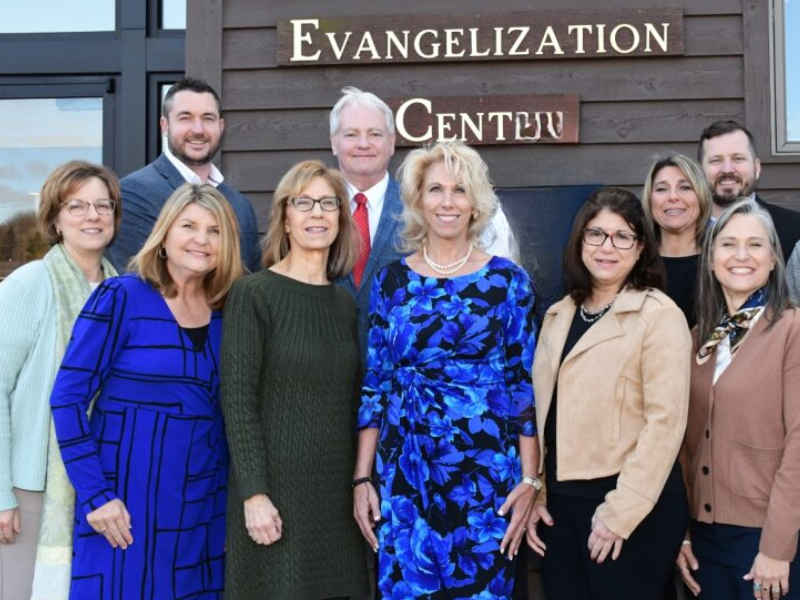
Ruah Woods Institute Leadership
Board of Directors
Tony Maas, President, Founder & Chairman of the Board
Joe Brink, Vice President
Tom Gruber, Treasurer
Michael Reckers, Secretary
Ken Jones
Steve Trimble
Marc Neltner
MEET THE TEAM
Ruah Woods Institute Staff
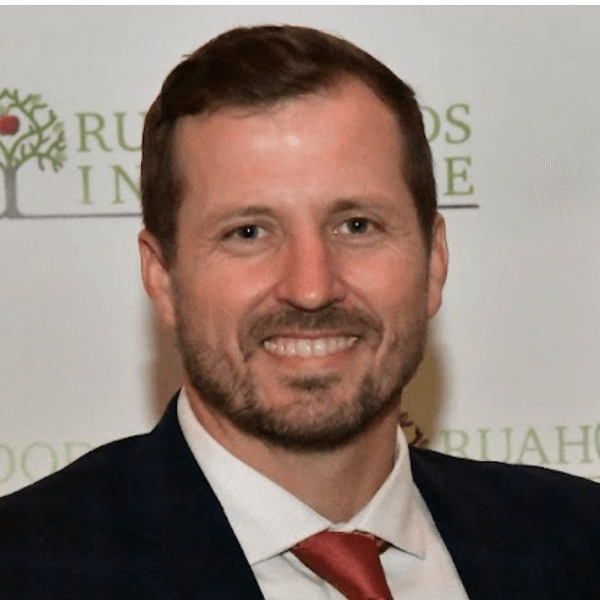
Courtney Brown
Executive Director
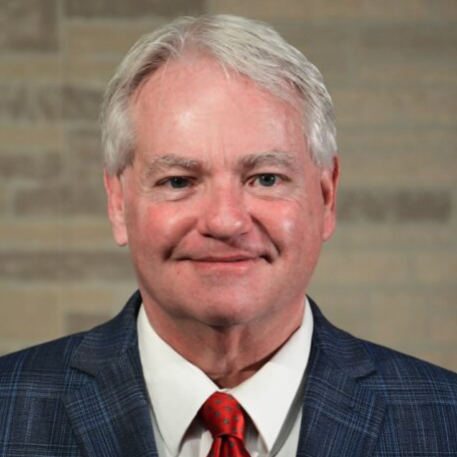
Michael Reckers
Vice President of Operations & Finance
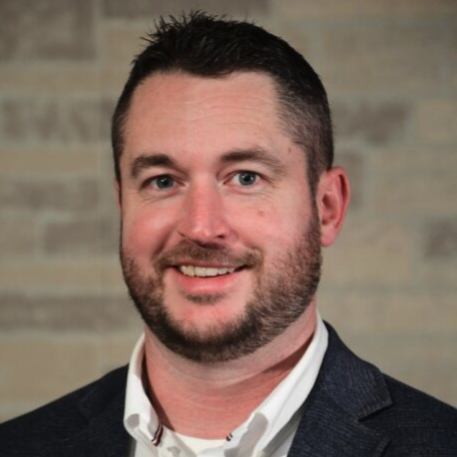
DJ Hueneman
Director of Content & Marketing
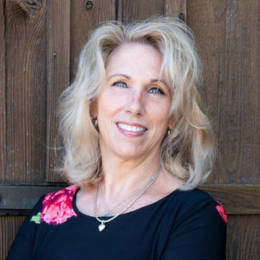
Evie Estes
Curriculum Production Manager, Editor, Sales & Web Site Support
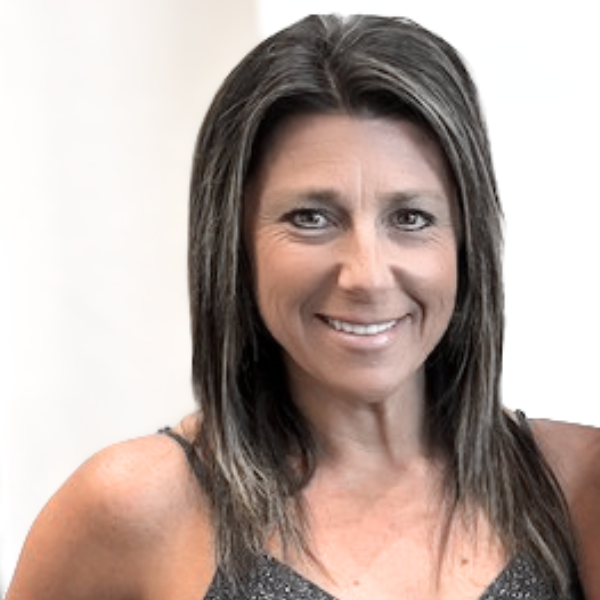
Carrie Priestle
Fundraising, Events Manager & Accounting
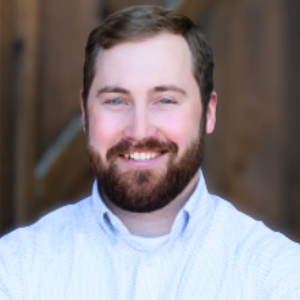
Rob Stamper
Director of Evangelization
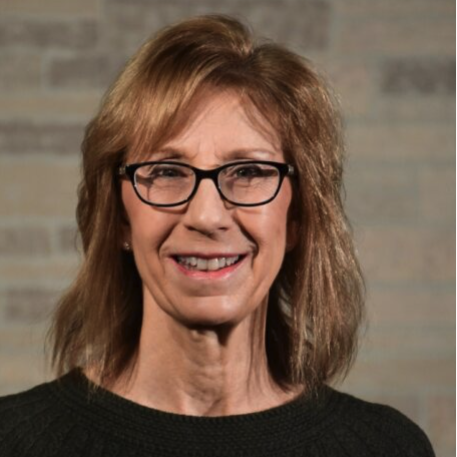
Sharon Hoesl
Administrative Assistant
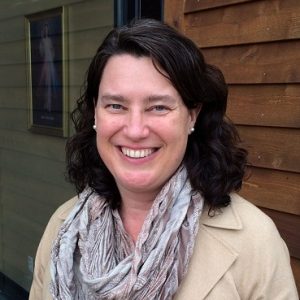
Dr. Joan Kingsland
Fellow & Theological Consultant
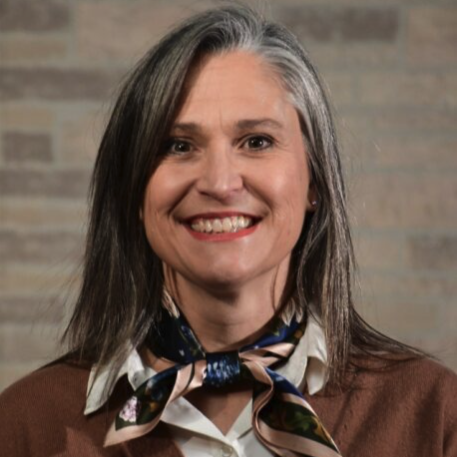
Kathleen Cory
Sales & Implementation Specialist, Southeast Region
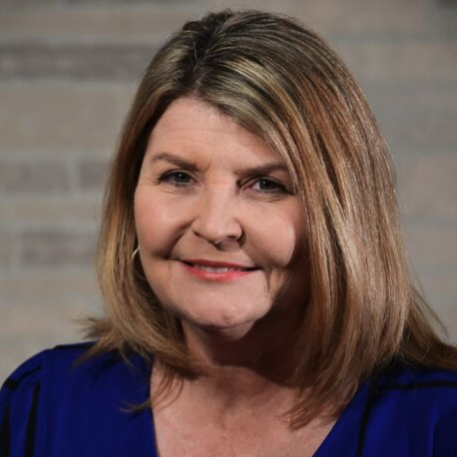
Dena Reany
Sales & Implementation Specialist, West Region
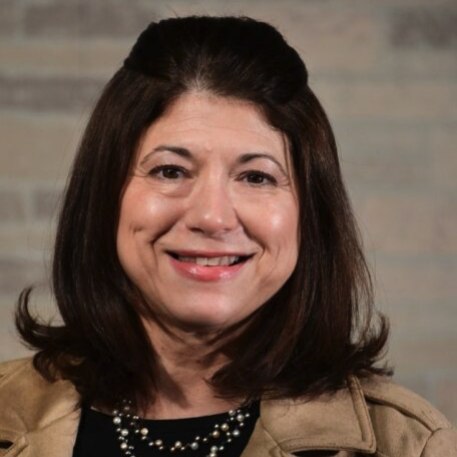
Robin Kennovin
Sales & Implementation Specialist, Northeast Region
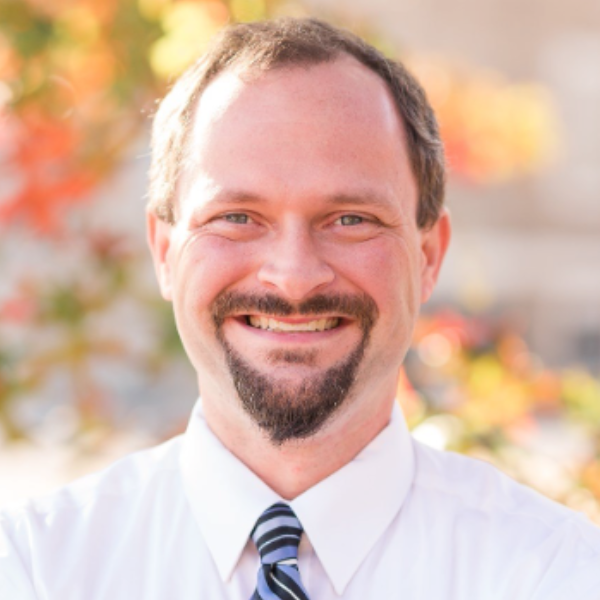
James Wurzler
Sales & Implementation Specialist, Great Lakes Region
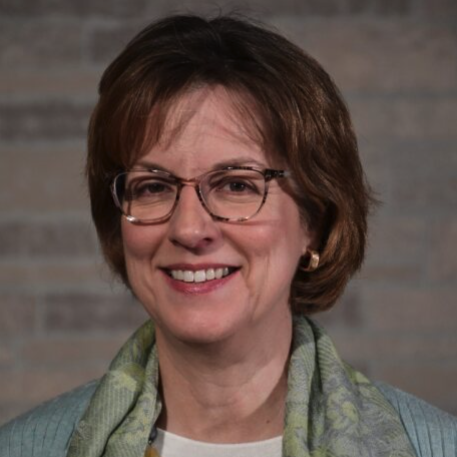
Claudia Kimura
Content Administrator
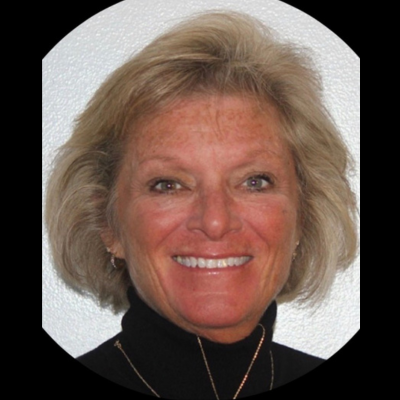
Kim Hauck
Executive Assistant

Melissa Stanzak
Sales & Implementation Specialist, South Midwest
Ruah Woods is a 501(c)(3) non-profit organization.
To view our Form 990 Tax Returns CLICK HERE.
How is “Ruah” related to Theology of the Body?
The term “Ruah” in the Bible is a Hebrew word meaning “breath,” “wind,” or “spirit.” It signifies the life-giving breath of God that animates human persons. This “breath of life” (Ruah) is often understood as the divine spirit that gives life and personhood. Ruah symbolizes God’s life-giving presence and spirit within us. It appears nearly 400 times in the Old Testament, denoting both physical breath and the divine, active presence of God.
“The body, in fact, and it alone, is capable of making visible what is invisible: the spiritual and divine. It was created to transfer into the visible reality of the world, the mystery hidden since time immemorial in God, and thus to be a sign of it.”
— Pope St. John Paul II
The entire Theology of the Body catechesis hinges on this point.
A sign is something that points us to a reality beyond itself and, in some way, makes that transcendent reality present to us. For human beings, wind and breath make visible the invisible mystery of the Holy Spirit, in a concrete way. Similarly, the body, which is made in the image and likeness of God, is a physical, concrete sign of the invisible divine mystery of God.